
1.1 Speed Matching for Deep Groove Ball Bearing Selection
When it comes to deep groove ball bearing selection, speed matching is a critical factor that directly impacts performance and lifespan.
Deep groove ball bearings have a maximum operating speed. Operating at a speed higher than this can cause the bearings to overheat, accelerate wear, and even fail. When selecting, it is necessary to consider the actual operating speed of the equipment and refer to the speed parameters in the bearing samples.
For example, in the case of high-speed motors, a model with a larger designed speed margin and a suitable bearing material for high-speed operation (such as phenolic resin bearings, which can reduce centrifugal force and friction during high-speed rotation) should be selected.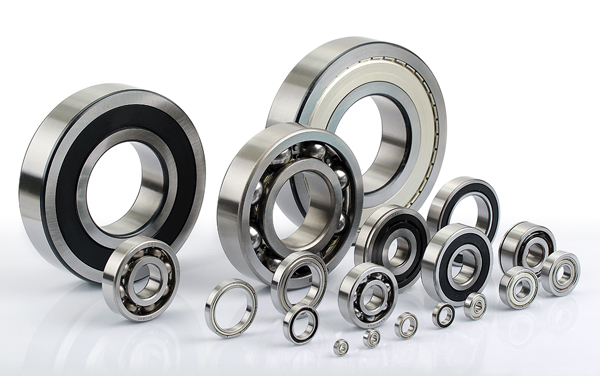
1.1.1Key Considerations for Deep Groove Ball Bearing Selection
When it comes to deep groove ball bearing selection, there are three primary factors that must be carefully evaluated: speed matching, radial load matching, and clearance selection. Each of these factors plays a critical role in determining the performance, reliability, and lifespan of the bearing in a given application.
For example, in deep groove ball bearing selection for high-speed motors, it is essential to choose a model with a speed rating that exceeds the maximum operating speed of the equipment. This helps to prevent overheating and premature wear, which can lead to costly downtime and repairs. Similarly, when considering deep groove ball bearing selection for heavy-duty applications, such as conveyor systems, the bearing must be able to handle the specific radial loads encountered during operation.
1.2 Radial Load Matching
Another key part of ball bearing selection tips is radial load-bearing capacities. Excessive load beyond the rated load of the bearing will shorten its lifespan and cause deformation. When selecting, it is necessary to calculate the radial load during equipment operation. If the load fluctuates, the impact of shock loads should also be considered, and a certain load margin should be reserved.
For example, in the drive device of a conveyor belt, the bearing should be selected based on the weight of the conveyor belt and the running resistance, to ensure a load that is compatible with the bearing.
1.3 Clearance Selection
The final element in ball bearing selection tips is clearance refers to the gap between the inner and outer rings of the bearing and the rolling elements. It is divided into radial clearance and axial clearance. Appropriate clearance is crucial for the operation of the bearing.
For example, in motor applications, a smaller clearance is often selected to improve rotor operation accuracy and reduce vibration and noise; in environments with significant temperature variations (such as outdoor equipment), the impact of thermal expansion should be considered, and a slightly larger clearance should be selected to avoid the bearing getting stuck due to thermal expansion.
Based on the equipment conditions (such as precision requirements, temperature environment, etc.), the bearing manufacturer’s provided clearance groups (such as basic group, small clearance group, and large clearance group) can be selected.
2.FAQ
Q: What happens if I select a bearing with insufficient load capacity?
A: If a bearing is subjected to loads exceeding its rated capacity, it will experience excessive contact stress, leading to premature fatigue failure, pitting, and spalling of the raceways. This can result in costly equipment downtime and repairs.
Q: How do I determine the correct bearing clearance for my application?
A: The correct bearing clearance depends on several factors, including operating temperature, shaft and housing fits, and the type of load. For high-temperature applications, a larger initial clearance is often required to compensate for thermal expansion.
For more detailed information on bearing standards, you can refer to the American Bearing Manufacturers Association (ABMA) guidelines. Additionally, our guide on bearing installation best practices provides step-by-step instructions to ensure optimal performance.
3.Conclusion and Selection Recommendations
In summary, deep groove ball bearing selection is a critical process that requires a holistic approach, considering not only speed matching, radial load matching, and clearance selection but also factors such as operating environment, lubrication, and maintenance requirements.
For general industrial applications, standard deep groove ball bearings with moderate clearances and standard seals are often sufficient. However, for high-speed precision applications, such as machine tool spindles, it is essential to select bearings with higher precision grades, tighter clearances, and advanced lubrication systems. In corrosive or high-temperature environments, stainless steel or ceramic bearings may be necessary to ensure long-term reliability.
By carefully evaluating all these factors and consulting with a qualified bearing specialist, you can ensure that you select the optimal deep groove ball bearing for your specific application, leading to improved performance, extended service life,and reduced maintenance costs.